 Côte d'Ivoire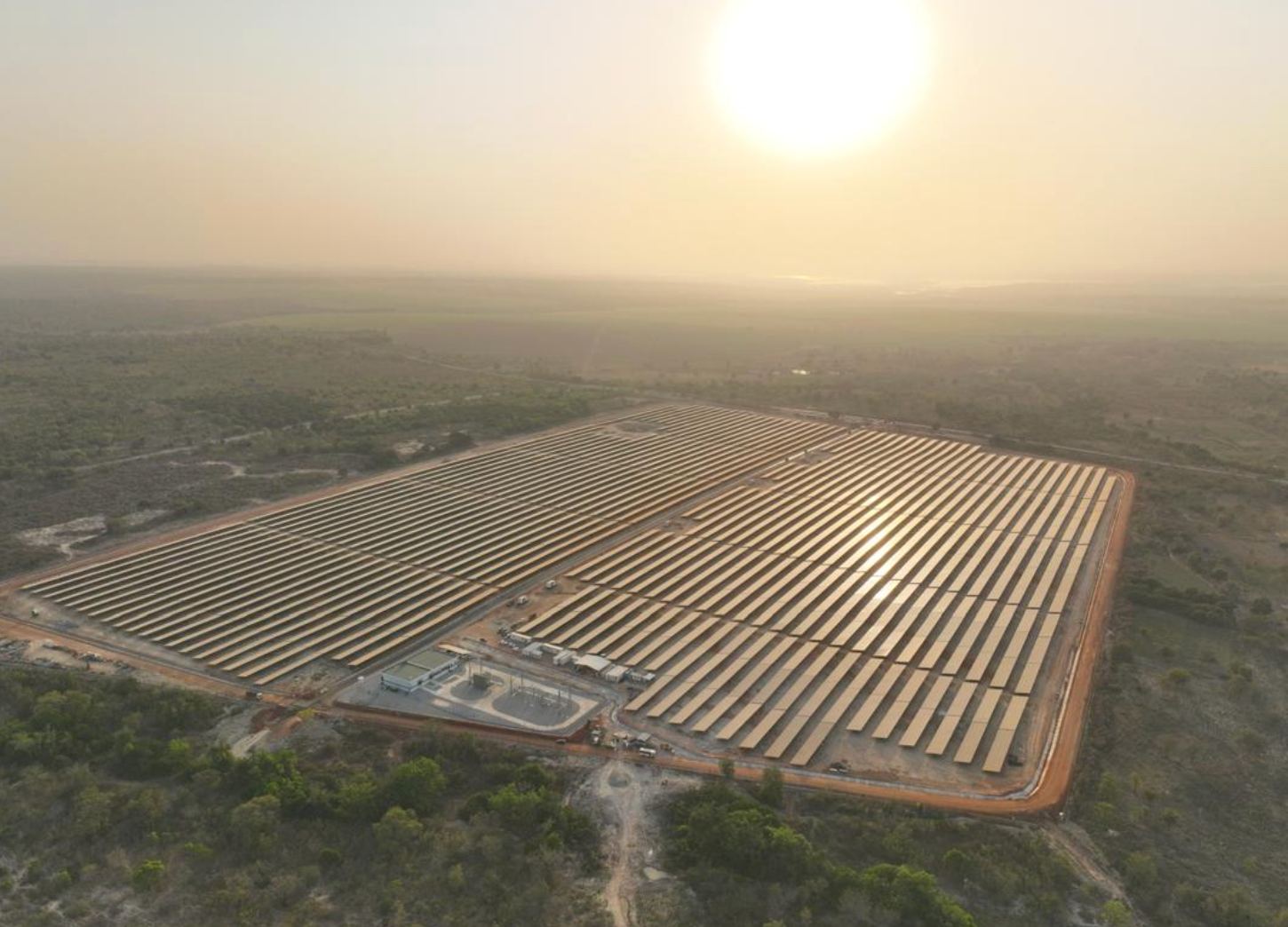
Côte d'Ivoire's first utility-scale solar plant, the 37.5 MW Boundiali project in the northern Bagoué region, was inaugurated in 2024. A second phase, confirmed by the government in January, increased capacity to 83.5 MW. The site now features more than 147,000 panels and can supply the equivalent of 430,000 Ivorian households, according to government figures. It is owned by state utility CI-Énergies and was financed with German and EU development funding.
In July, the country inaugurated the 52 MW Ferké Solar plant in the Tchologo region. Government figures state the site has more than 73,000 panels across around 70 hectares and should generate approximately 90 GWh a year, enough for more than 370,000 households.
The XOF 41 billion ($70.59 million) project was developed by PFO Énergies, the renewables arm of Ivorian construction group PFO Africa, with financing from PFO and development-finance partners including the West African Development Bank and Emerging Africa & Asia Infrastructure Fund.
The arrangement makes it the country's first solar independent power producer (IPP) project developed and part-financed by a local company. It was built under a 25-year build-own-operate-transfer (BOOT) model with a power purchase agreement (PPA) of the same length.
Project pipeline
At the Ferké inauguration, Côte d'Ivoire's Minister of Mines, Petroleum and Energy, Mamadou Sangafowa-Coulibaly, said more grid-connection solar projects will follow as the government works towards more than 1.3 GW of installed solar by 2035. He cited specific projects in Korhogo, Katiola, Tengréla, Bouna, Kong, Bondoukou, Dabakala and Touba, among other localities, with private developers set to build them on BOOT terms similar to Ferké's.
Several of the projects are already under development. In 2024, the government signed agreements for 50 MW plants at Kong and Katiola. Construction of Kong, co-developed by Ivorian developer Africa Via, InfraCo Africa and Axian Energy, began in October 2025. In August 2025, local developer Tongon Solaire signed an agreement for a 52 MW plant in the northern Poro region, with commissioning expected before the end of 2027. In February 2025, UAE-based developer
Amea Power broke ground on the 50 MW Bondoukou project in the northeastern Gontougo region.
Historic tariffs
Two projects in Côte d'Ivoire's western Bafing region came through the World Bank Group's Scaling Solar programme, an initiative helping to deploy large-scale PV in emerging markets.
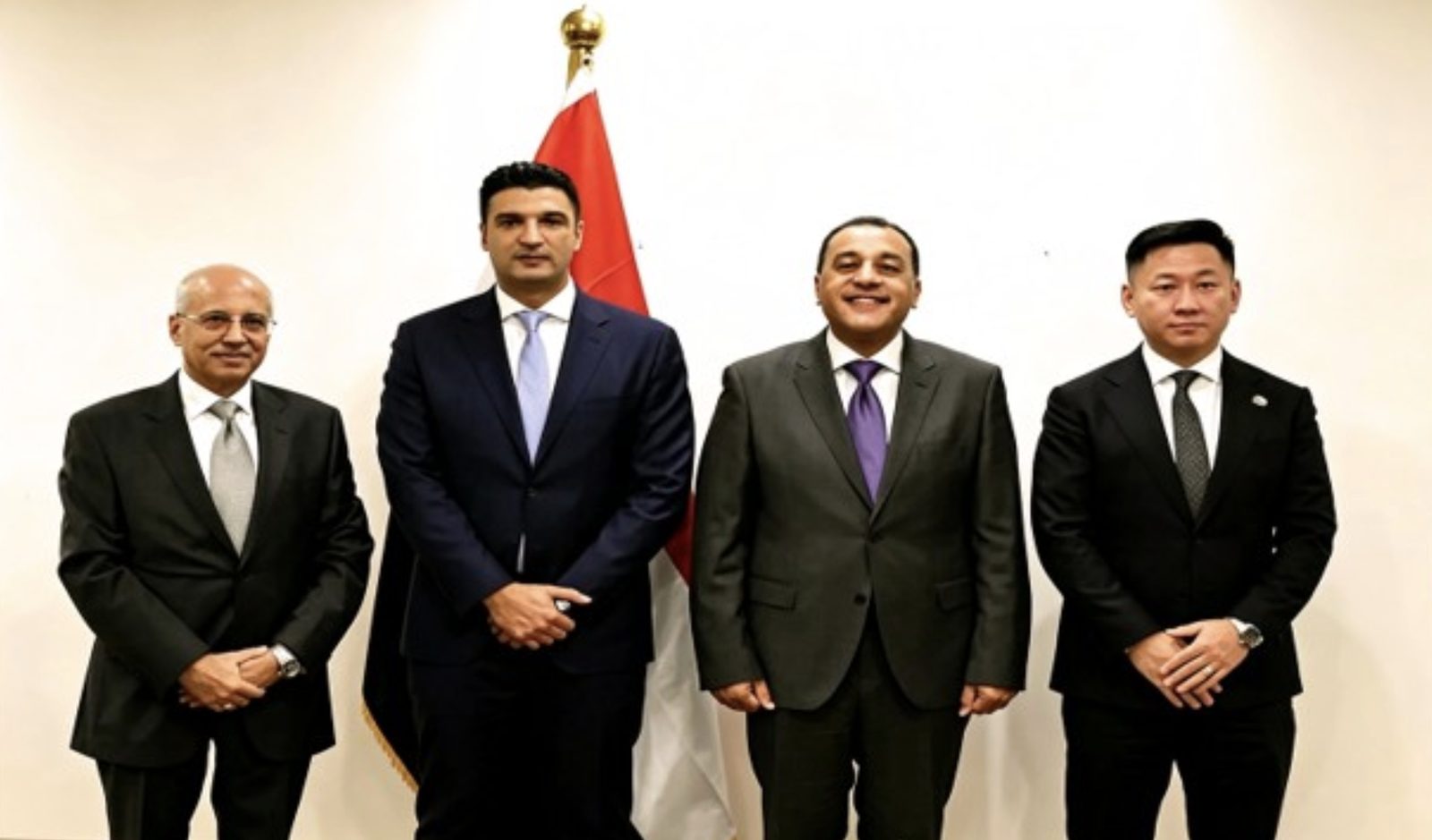
Infinity Power, a joint venture between Egypt's Infinity Energy and UAE's Masdar, won the 36 MW Laboa and 44 MW Touba plants at €0.0331 ($0.037)/kWh and €0.03213/kWh respectively. The bids set what IFC described as a new record for the lowest solar IPP tariffs in West and Central Africa to date. The projects were initially announced as 36 MW and 44 MW, but, as confirmed by a government update last November, their subsequently approved concessions are to 49.7 MW at Laboa and 58.6 MW at Touba.
Total project costs are estimated at around €71.4 million, according to figures from IFC. Financing includes an IFC investment of up to €36.3 million and as much as €18.1 million in further debt from another development finance institution. Separate project companies will develop each plant, with commercial operation expected in 2027.
Industrial roadblocks
With these utility-scale plants all set to sell to the grid, commercial and industrial users face a more complicated route to procuring solar power.
Côte d'Ivoire's electricity market remains highly centralised, with state-owned utility CI-Énergies playing a central role in the sector and Ivorian electricity company CIE holding the concession for electricity transmission and distribution. Existing legal framework allows independent producers to sell to eligible customers, but such arrangements are subject to government authorisation and specific contractual requirements, making direct corporate PPAs more difficult than in markets with established private offtake and wheeling frameworks.
For companies seeking a straightforward on-site solar solution, self-generation remains the most established route. Notable examples include Orange Côte d'Ivoire's GOS data center, where a 355 kW solar installation operates in self-consumption mode and supplies around 50% of daytime electricity demand. Another example stands as Fortuna Silver Mines' Séguéla gold mine, where TotalEnergies is developing a 6 MW on-site solar plant expected to cover around 30% of the mine's energy needs.
Building out
Hundreds of megawatts of solar should come online in Côte d'Ivoire before the end of the decade, with Sangafowa-Coulibaly forecasting last year that capacity will reach 925 MW by 2030. Growth naturally brings new challenges, led by the intermittency of solar projects. The Boundiali project includes a 10 MW/MWh battery system, and other projects may follow suit.
Côte d'Ivoire's demand case is relatively clear, with the government working to increase the share of renewables in the energy mix to 45%. Hydropower is the leading renewable source today, but solar's contribution is set to rise rapidly as the current project pipeline comes online.
The country’s National Energy Pact envisages around $2 billion in private investment across generation, transmission and distribution. An established IPP model, explicit targets and a pipeline increasingly backed by government agreements give developers more visibility than in many neighbouring markets, where projects can stay at the announcement stage for much longer.
What it means
Côte d'Ivoire shows that competitive tenders and local IPPs can bring tariffs down and projects forward, but also that procurement alone does not build a market. With the state retaining a central role in electricity procurement and grid management, solar growth depends on government-backed projects and grid absorption, while industrial customers still face barriers to procuring power directly from independent producers.
Sources: Ministère Mines, Pétroles et Energies, IFC, Lexology