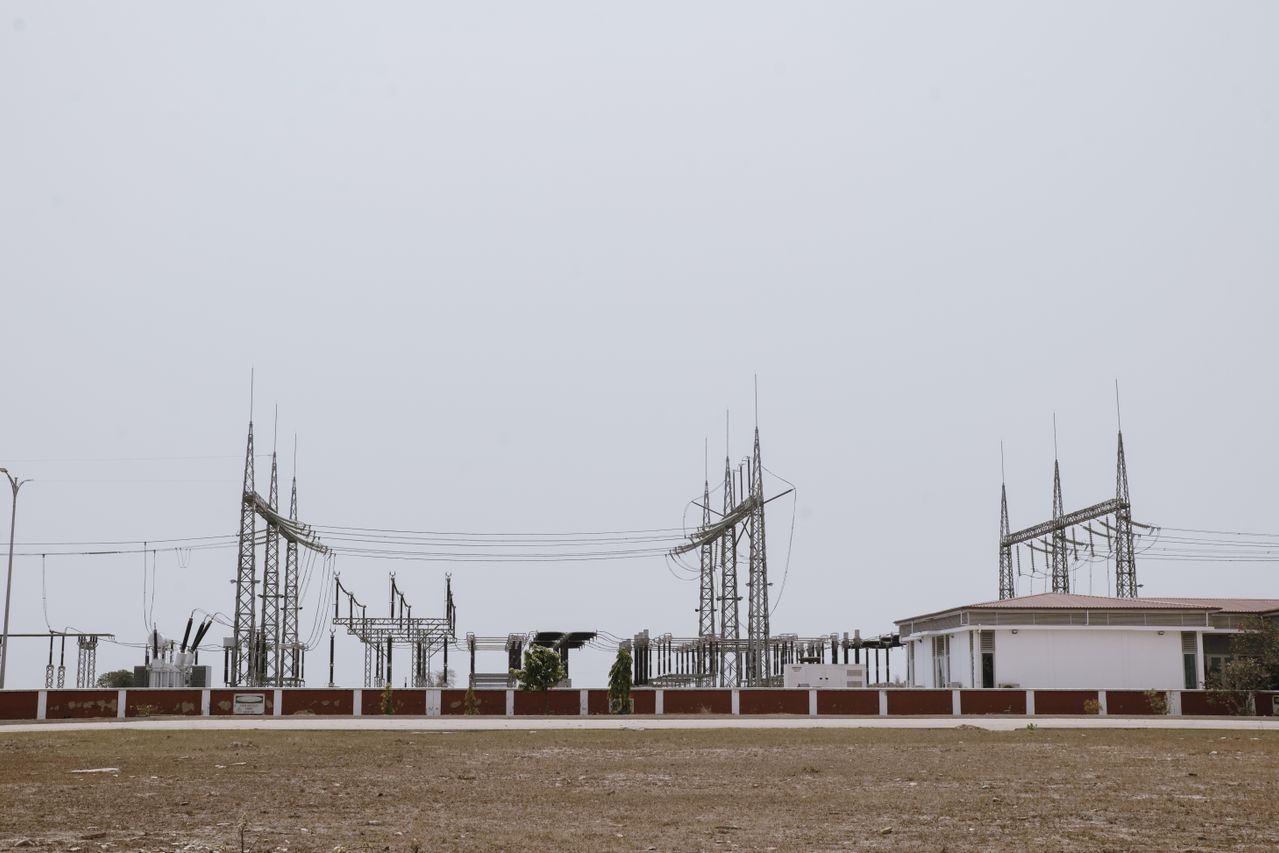
 Maroc
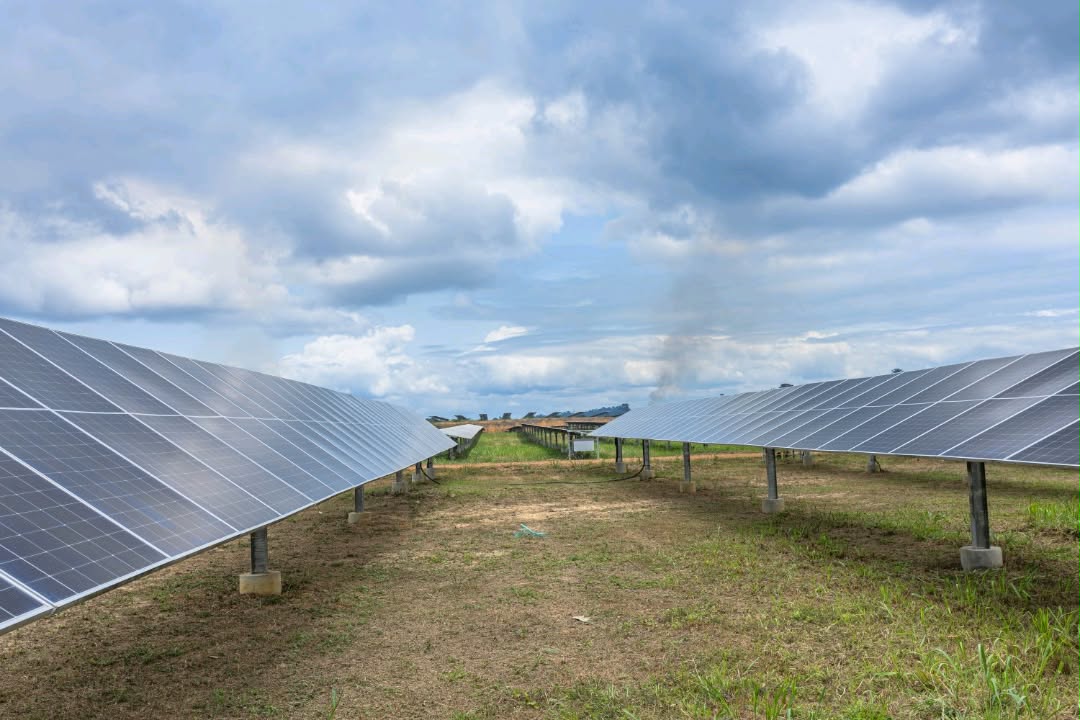
 Sénégal
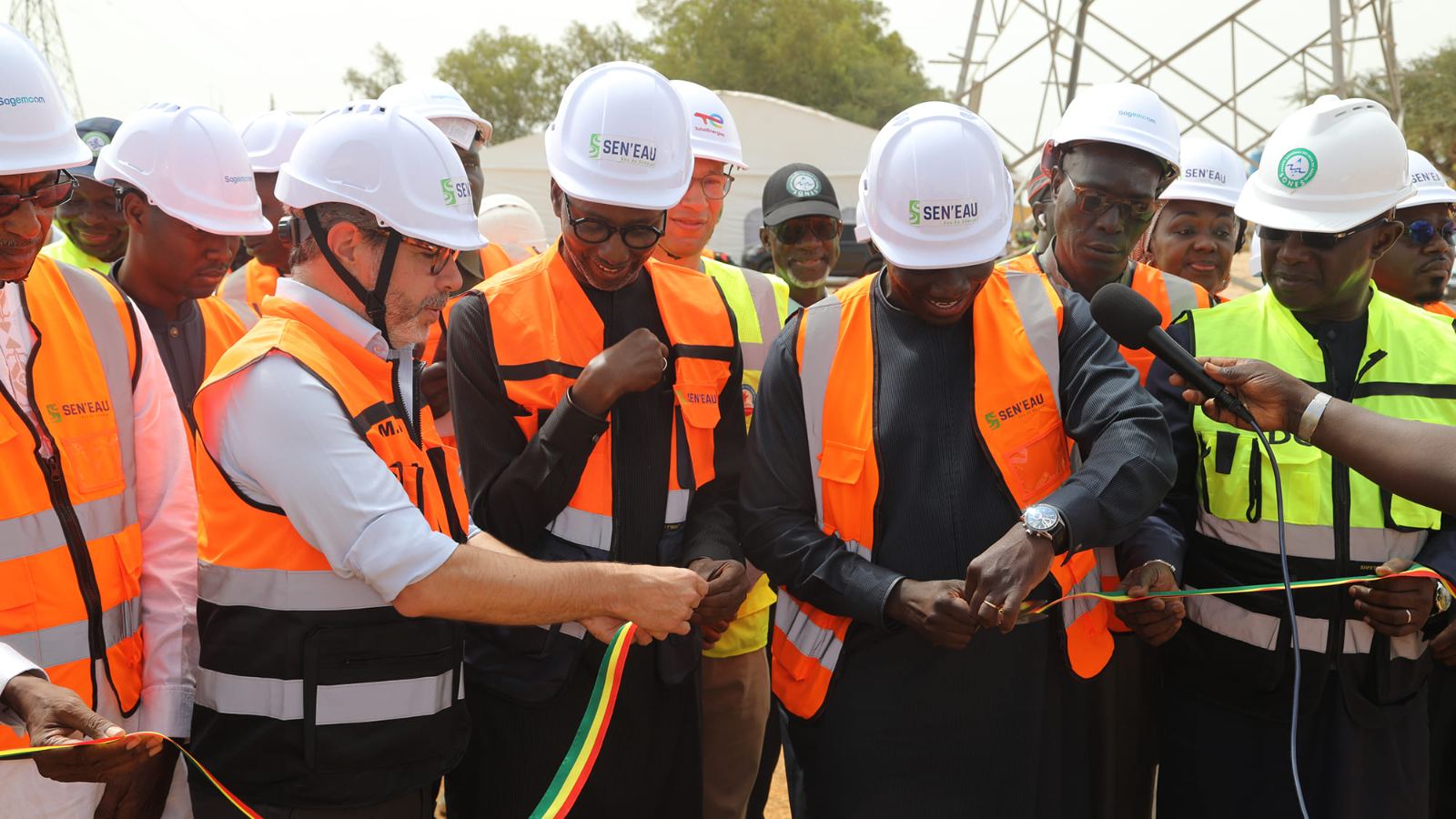
Two infrastructure operators outside the power sector brought their own solar capacity online in 2026. Neither sells electricity. Both were buying it at a price that was eating into operating margin, and both decided to generate instead.
A water operator covering a third of its pumping load
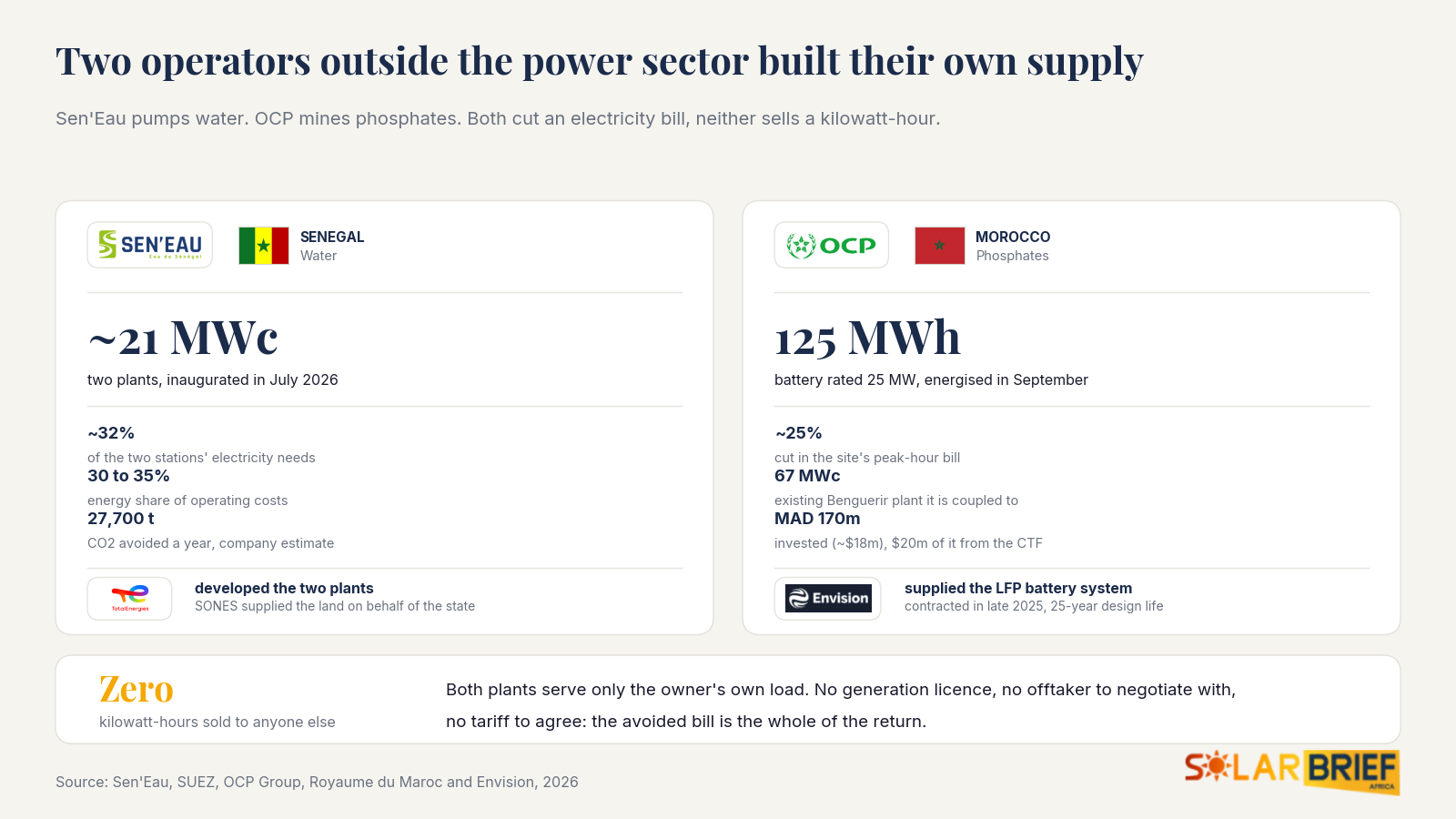
Sen’Eau, the SUEZ-led company that holds Senegal’s urban water lease, inaugurated two plants on 2 July: around 9 MWc at Méouane, serving the Mékhé booster station, and around 11 MWc at Keur Momar Sarr, serving the treatment works that draw on Lac de Guiers. Together, 33,600 panels cover around 32% of those sites’ electricity needs, with the grid supplying the rest. TotalEnergies developed them, and SONES, the state asset holder, provided the land. The investment has not been disclosed. Energy is 30% to 35% of Sen’Eau’s operating costs, which is the reason the project exists at all.
A miner buying hours rather than kilowatt-hours
OCP Green Energy energised a 25 MW, 125 MWh lithium iron phosphate battery at the Benguerir phosphate site in September, coupled to the 67 MWc plant already there. It cost close to MAD 170m (~$18m), with $20m coming from the Clean Technology Fund through the African Development Bank. Five hours of storage shifts midday output into the evening peak, which OCP expects to cut the site’s peak-hour bill by about 25%. Performance testing is under way. The battery sits inside a 202 MWc first phase and a 1.2 GW target for 2027.
What travels, and what does not
The two share a profile: a daytime load that barely moves, land the operator already controls, and a grid tariff high enough that self-generation beats it. Water utilities, mines, cement and agro-processing all fit. What does not travel is the balance sheet behind it. SUEZ and OCP can underwrite a plant, or attract a developer who will. A municipal water board on arrears cannot, and that is where the model stops.
What it means
For an industrial or utility operator weighing self-generation, the test these two set is not the solar price. It is whether the load is daytime and steady, whether the land is already yours, and whether the tariff you pay is high enough that moving a third of your consumption off it changes the margin. Sen’Eau answered yes and stopped at 32% rather than chasing full coverage, because the grid still carries the night. OCP answered yes and then bought five hours of storage to attack the peak-hour tariff specifically, which is a different purchase from buying more panels. Both treated the plant as a procurement decision against a known bill, not as an energy project needing a licence, an offtaker or a tariff negotiation. That is the version of captive solar that scales: sized to the load curve rather than to the available roof.
Sources: SENEAU, SUEZ, Maroc.ma, Solarperspective