"Companies are looking more closely at Africa" - AFSIA's first Intersolar as an exhibitor
For the first time, the Africa Solar Industry Association (AFSIA) exhibited at Intersolar Europe in Munich. Benjamin Clarke, Director of Operations, explains why the association went to meet European players on their home ground - and why solar-plus-storage has become the engine of solar growth in Africa.
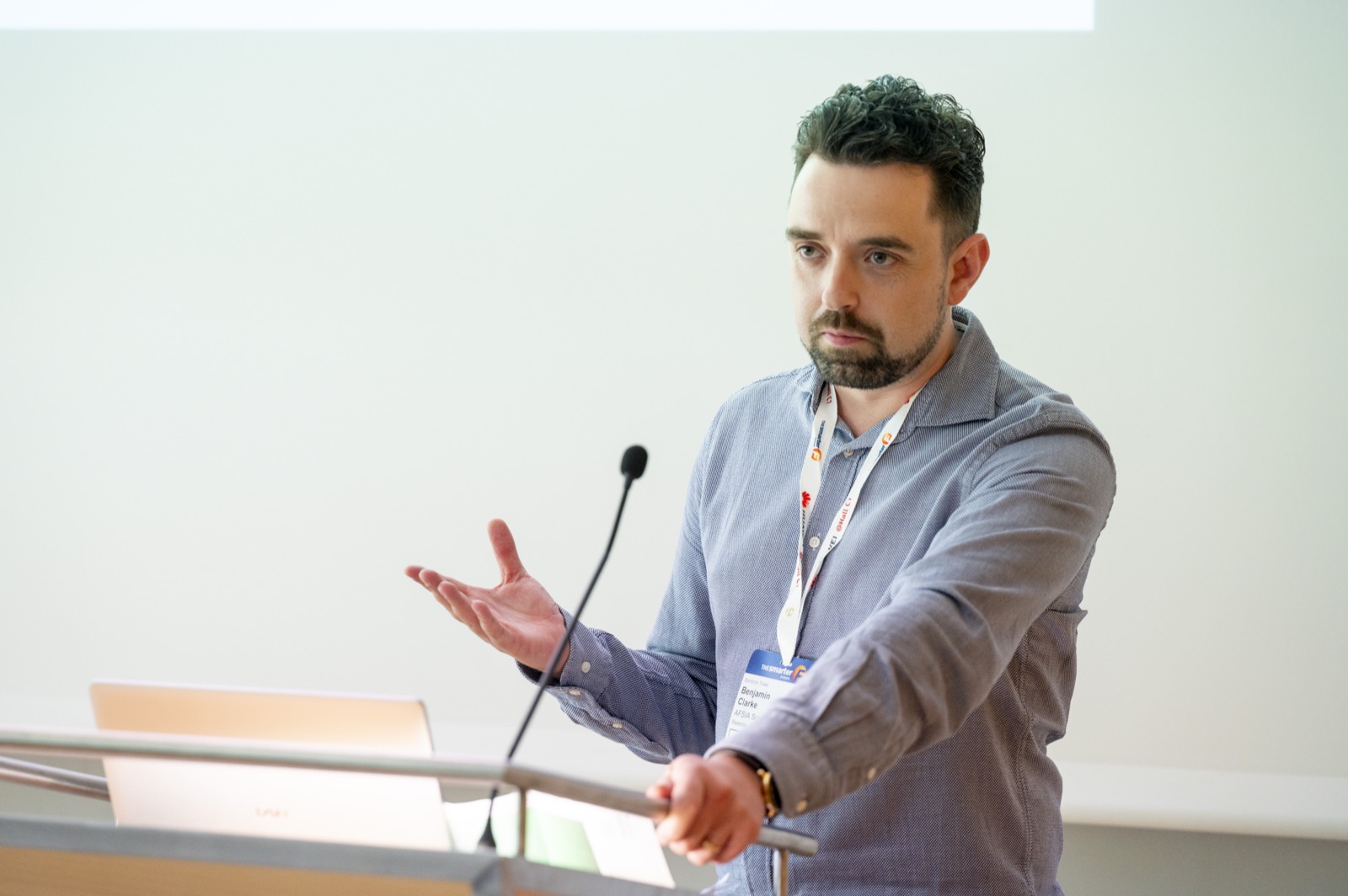
Benjamin Clarke: AFSIA decided to exhibit there because the global solar industry is going through quite a unique moment currently. Growth in more mature markets such as Europe and North America, where many European solar companies traditionally did business, has slowed in recent years. Whereas before, corporate growth strategies could have been satisfied by expansion in these markets alone, fulfilling them is becoming harder now, so companies are looking more closely at opportunities in newer markets. This has resulted in AFSIA having increased contact with European companies across the entire value chain. Exhibiting at Intersolar was a strategic way to meet and approach these companies, rather than waiting for them to come to Africa. Our close partnership with the organisers, SolarPromotion, enabled us to secure a presence at the exhibition and establish a platform from which to reach a new type of company.
European markets are more mature than African markets. In several instances, they are led more by market mechanisms than by regulatory authorities. Moreover, universal access to electricity is already established. Europe has also been more effective at creating an extensive and interconnected electricity network across the continent. This is starting to happen in Africa, but a lot of work remains before the Continental Masterplan (CMP) and the African Single Electricity Market (AfSEM) are fully realised.
That being said, the European market has been driven by different factors: initially, a supportive policy framework with generous FiTs caused solar to explode in the early 2010s. Following this, trade barriers designed to protect European solar manufacturing backfired, causing solar deployment to drop sharply. Deployment rates only recovered by 2021, driven by the European Green New Deal and high electricity prices. Europe's reliance on gas left the continent seriously exposed when Russia invaded Ukraine in 2022. Furthermore, the double-shock of the closure of the Strait of Hormuz has turned solar into a strategic and security priority across Europe. However, the lack of flexibility in transmission grids has led to curtailment and negative pricing, as well as placing a strain on transmission infrastructure. This has contributed to a slowdown in deployment, leaving many companies looking for opportunities elsewhere.
Rising fuel prices have led several businesses and industries to seek solar - and storage in particular - as a more economical way to secure resilient, dispatchable backup power when the grid fails.
Storage is already significant across African solar markets. Recent price declines since 2024 have made solar and storage more competitive than diesel for securing reliable, dispatchable backup power. This is particularly significant across the Commercial and Industrial segment, as AFSIA reported that these types of installations made up around 67% of the total additions we tracked in 2025. The economics make sense and now solar and storage are the key drivers of economic activity across many African markets.
This is a difficult question as even the most advanced African markets are at a less mature stage than those in Europe. One potential lesson could come from South Africa's lifting of the cap on the capacity of C&I solar projects, which allowed far more rapid deployment and at greater volumes than previously seen. This is a key illustration of how policy and private sector appetite can work together to generate outstanding results. It is worth noting, however, that political change and rapid deployment rates were largely due to a load-shedding crisis in the country as well.
Business is different in Africa. Whereas Europe has extensive rules and regulations governing the generation, sale, transmission and distribution of electricity, many African markets are still developing these frameworks. Moreover, many governments and national associations lack accurate data on national solar markets, making decision-making, opportunity identification and market entry complex. When doing business in many African markets, relationships are particularly important. They can help identify strong local partners and opportunities, and help avoid pitfalls that newer market entrants might miss. Understanding the important national and regional actors and building constructive relationships with them early on is key to success.
At this point, all forms of participation are under consideration. We were pleasantly surprised this year to find many companies interested in Africa and many African stakeholders attending Intersolar in Munich. We will continuously assess the prevailing market conditions to see whether the same interest or appetite for solar in Africa is likely to exist next year.
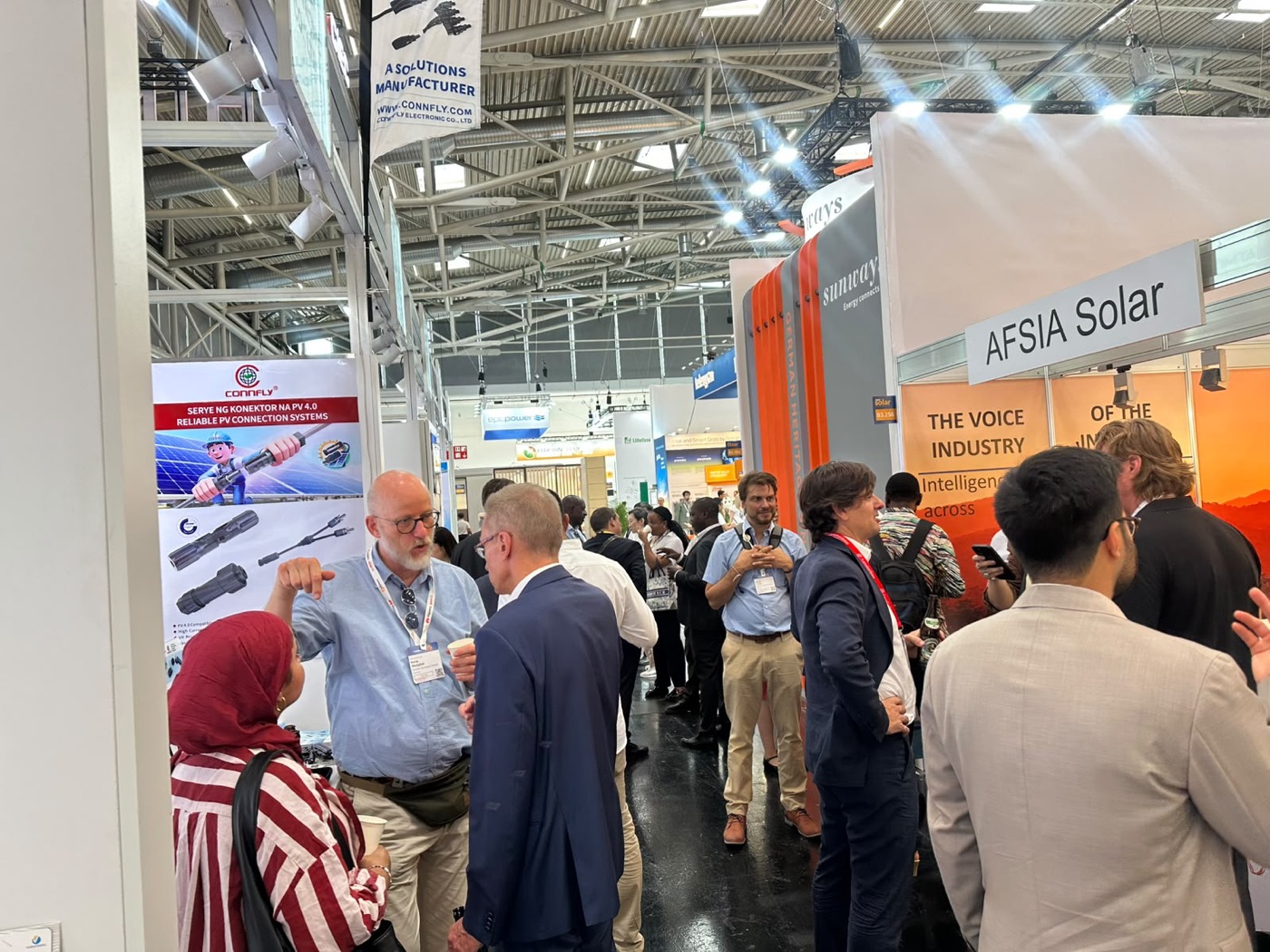
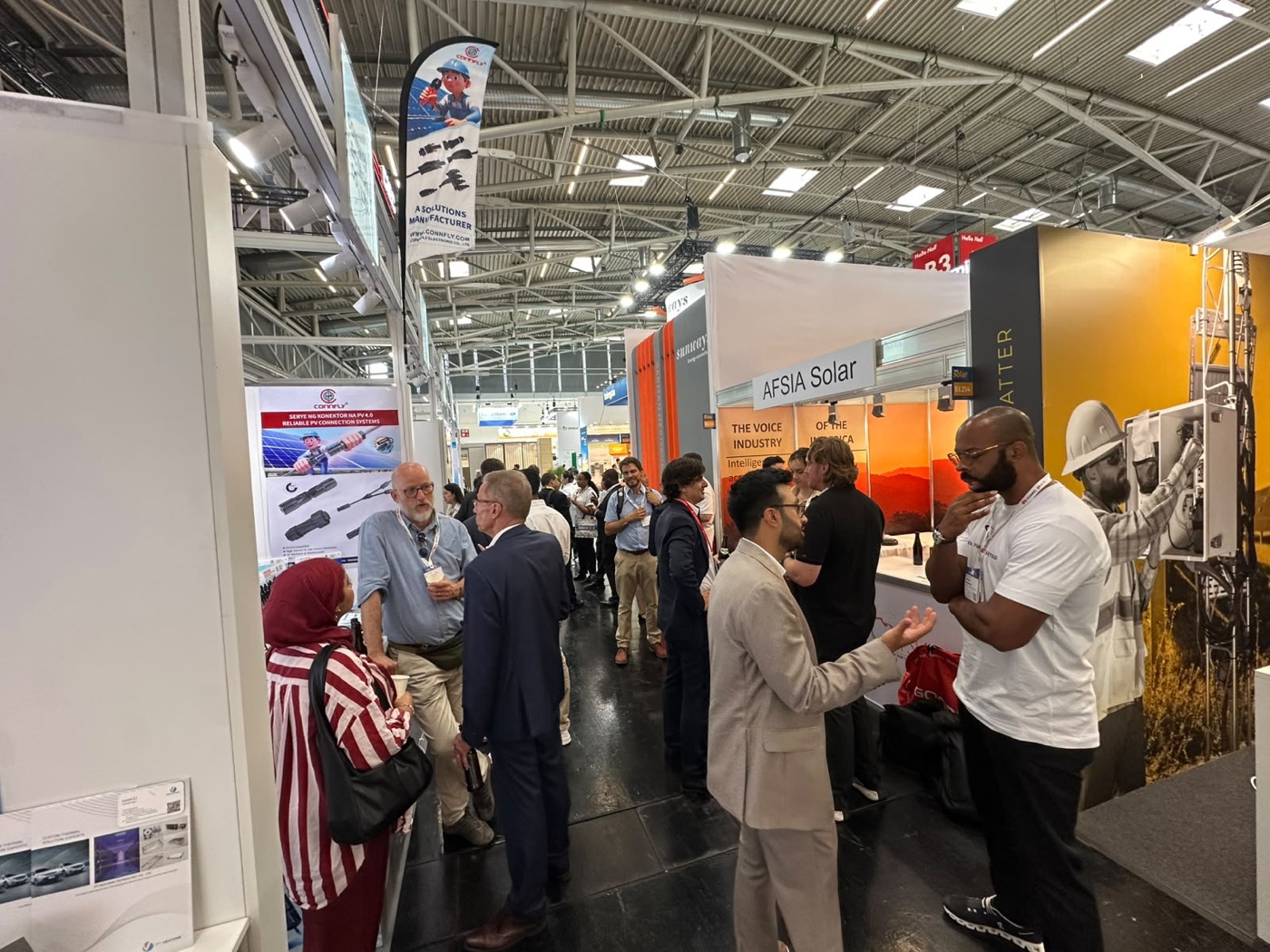
Interview conducted by Baptiste Cotte - Energy Consultant for SolarBrief.Africa.
 Afrique du Sud
 Maroc
Maroc