 RDC
RDC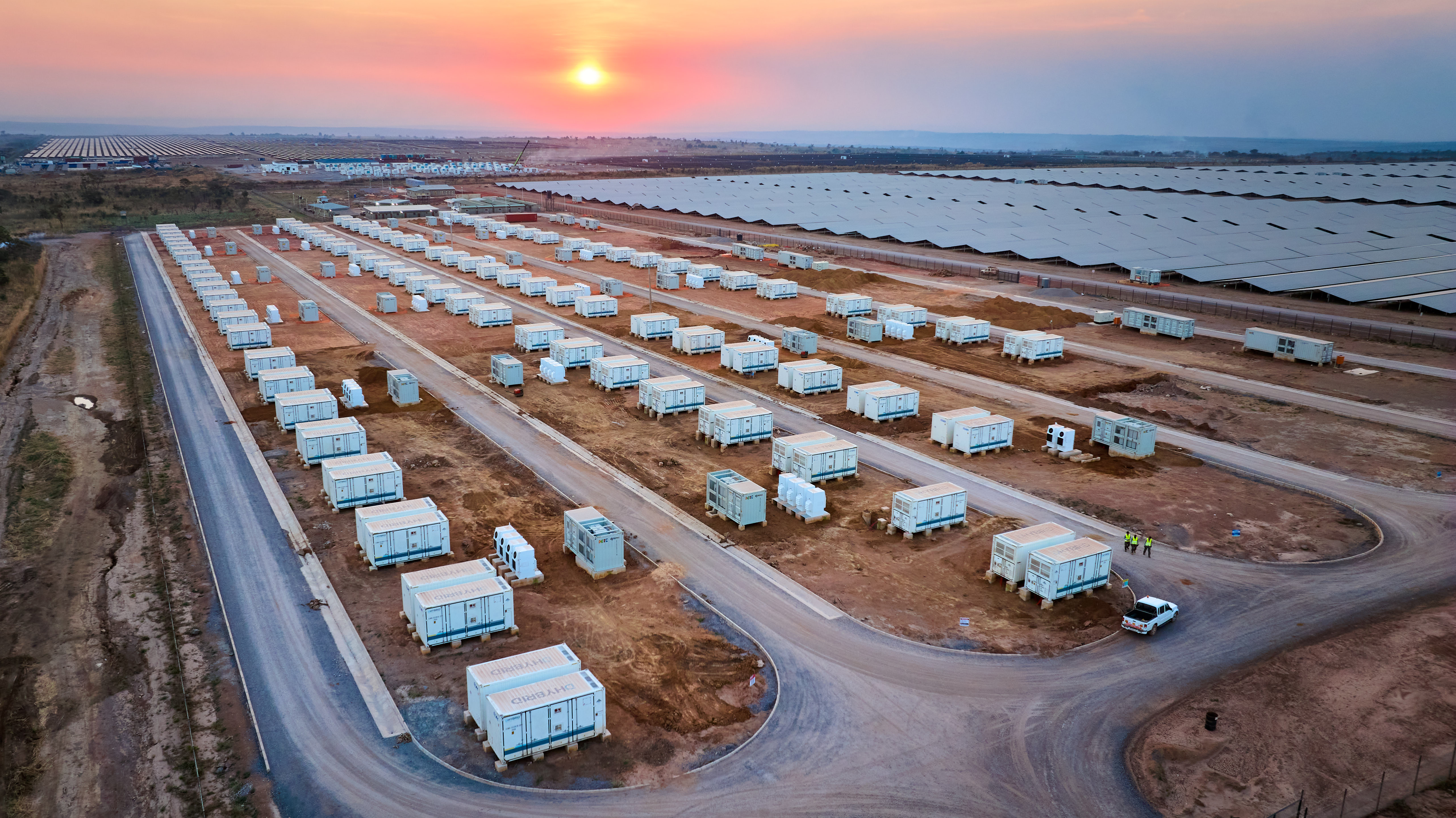
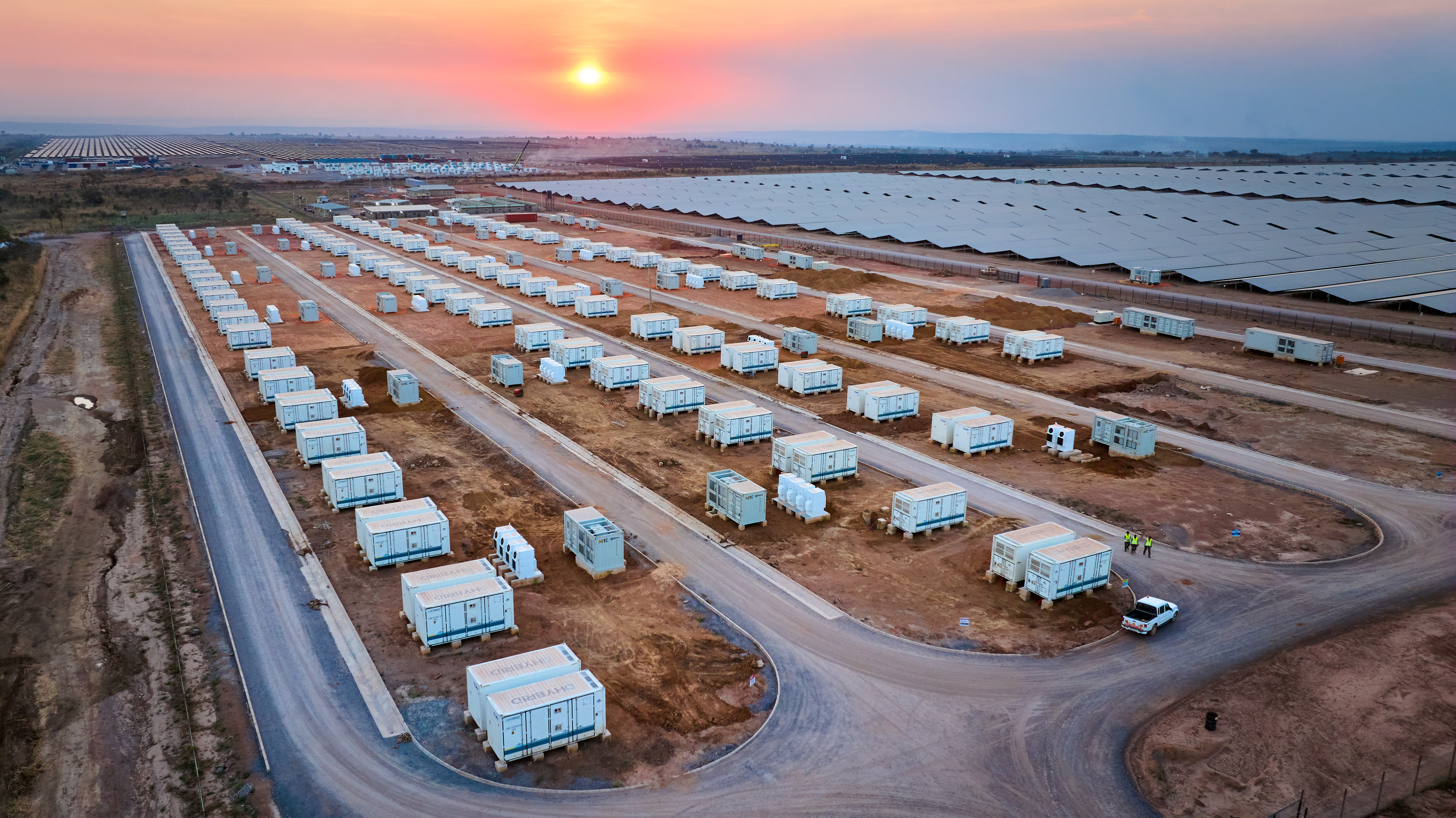
CrossBoundary Energy's solar and battery plant serving the Kamoa-Kakula complex in Lualaba Province, Africa's largest copper mining operation, reached commercial operation on 12 August 2026 and now supplies at least 30 MW of baseload power to Kamoa Copper S.A., a joint venture between Ivanhoe Mines, Zijin Mining Group and the DRC government. CrossBoundary develops, owns and operates the plant.
The project
The power purchase agreement was signed in April 2025, so the plant reached commercial operation 16 months later. CrossBoundary cites African Energy data putting the continental average for solar and storage projects at around 29 months from PPA signing to commercial operation. The array uses 360,000 AIKO back-contact modules rated at 655 Wp, which the manufacturer expects to generate around 300 GWh a year.
Why the storage is the story
The system pairs 233 MWp of solar with a 123 MVA / 526 MWh battery. Those figures describe a plant built to deliver a small, constant output rather than a large daytime peak: roughly eight megawatts of panels for every megawatt of firm supply, and enough stored energy to carry the full 30 MW for about 17 hours. That overbuild is what turns an intermittent resource into baseload, and it is why the facility is being described as Africa's first solar and battery baseload plant.
Why a copper mine needs it
Kamoa-Kakula's binding constraint has been power. In October 2024 Ivanhoe cut its copper guidance after deficient transmission capacity and instability on the southern DRC network, run by state utility SNEL, limited reliable supply; bottlenecks included the Inga II transmission line and the Kolwezi substation. Even the weather has intervened: in early 2024, debris carried by a swollen Congo River blocked intakes at the Inga hydro complex. The company responded by installing 220 MW of diesel backup. CrossBoundary argues firm renewables now undercut thermal baseload and protect mines from diesel price volatility and supply chain risk. Kamoa Copper's managing director, Annebel Oosthuizen, said the plant will help power planned growth in copper production.
What it means
For mining and industrial operators on unreliable grids, Kamoa-Kakula shows solar can carry load around the clock at mining scale. The price of that firmness is an array nearly eight times the delivered output, which suits sites with land and a long offtake horizon. A 16-month build also weakens the argument that renewables arrive too late to protect near-term production. At 30 MW against 220 MW of diesel backup, this is a first tranche sitting alongside the existing fleet.
Sources: Cross Boundary, Africa Energy Portal, Energy News Pro