 Tchad
Qair: an independent power producer, selective in Africa
Qair is an independent renewable energy producer. More than 30 years ago, our teams began developing wind and solar solutions, including one of the first wind farms in France, making them early movers in the energy transition. After years of diversification and expansion, the Quadran International group was created in 2017, then renamed Qair in 2020. We work in solar, onshore and offshore wind, storage, and renewable fuels, including green hydrogen: a 20 MW industrial project has just been inaugurated at Port-la-Nouvelle, in Occitanie. Our model covers the whole chain: development, permitting, negotiating the offtake contract, financing, construction and long-term operation.
The group operates 1.7 GW, mostly in Brazil and Poland. In Africa, we have been present for some fifteen years - Morocco, Tunisia, Mauritius, Burkina Faso, Seychelles, Chad - with around 85 MW in operation, 150 MW under construction and more than 300 MW in financing. Among the projects delivered: 24 MW in Burkina Faso, 20 MW in Tunisia, commissioned in 2025 after about ten years of development, and around 7 MW of self-consumption in Morocco, where a large solar project is ready to build. In Mauritius, where we already operate 25 MW of solar and 10 MW of wind, our first hybrid solar-plus-storage project is about to be commissioned, with three more to follow next year.
The colossal electrification needs attract us, but the risks are higher. Our approach is therefore selective: a few countries, with patience and resilience - we came through Covid and restructured projects that had become unprofitable - and with co-investors, so that we are not exposed on our own.
The Chad project: 30 MWp, 8 MWh and a 20-year contract
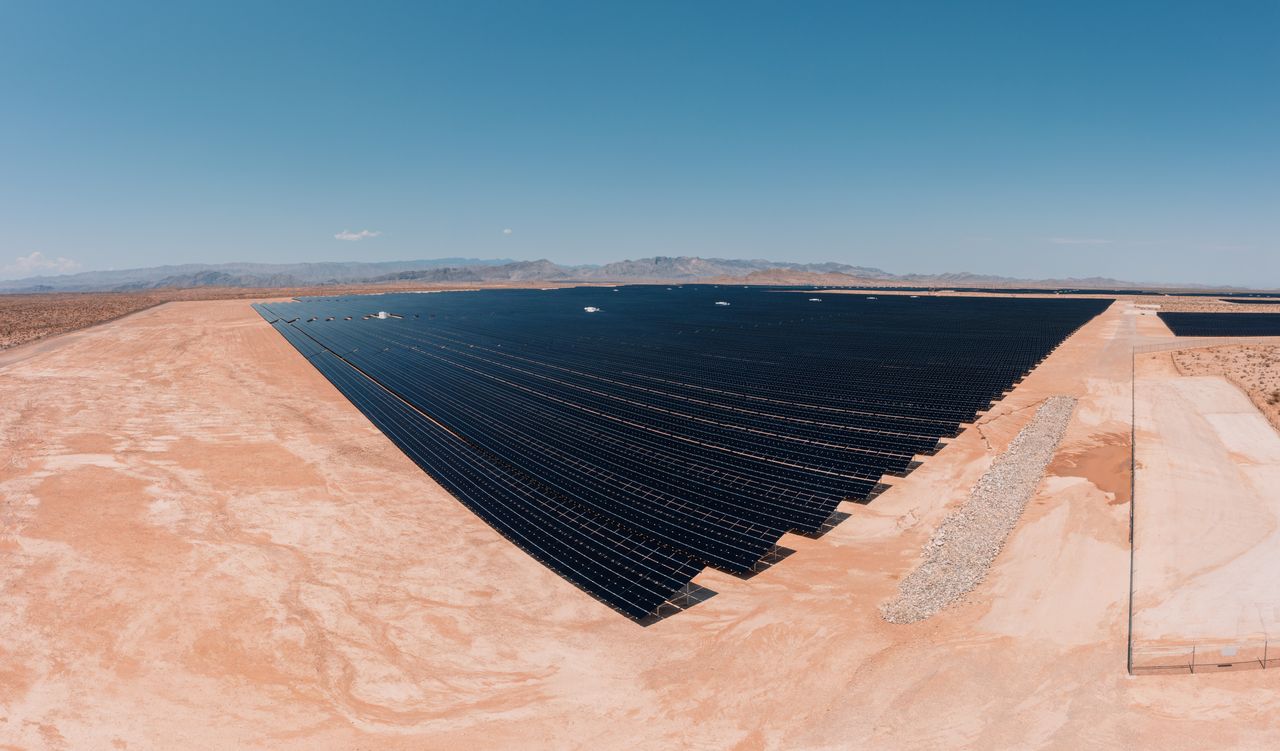
Chad is among the least electrified countries, heavily dependent on costly fossil generation, with very high solar resource. At the outset, a partner approached us; we took the project over and have developed it ever since: two plants of 15 MW each, paired with storage. Another decisive factor: the authorities' willingness to move forward in partnership with private investors, and their good grasp of the issues, which made it possible to clear the difficulties and reach robust financing and guarantee solutions.
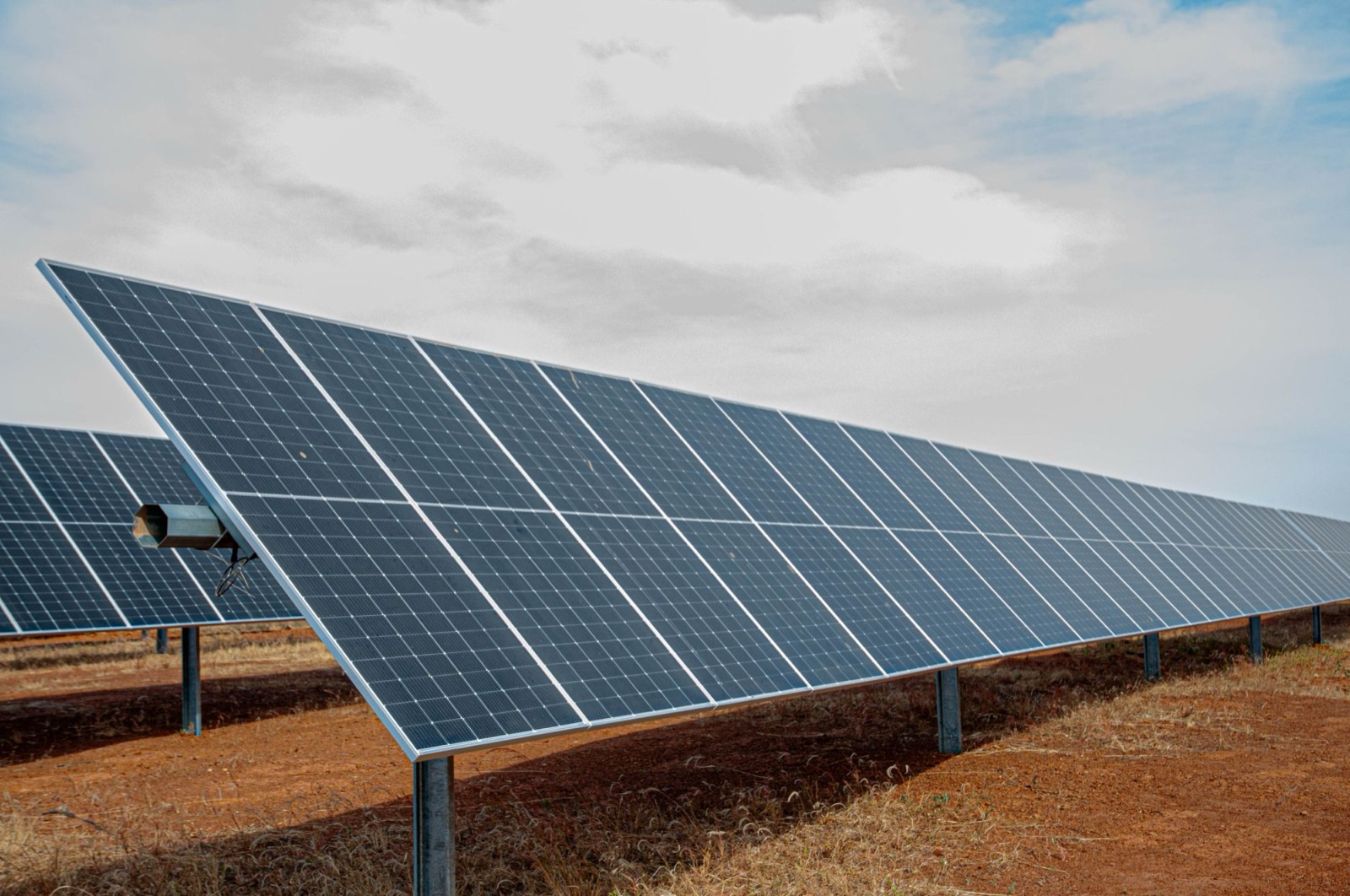
The offtaker is the national utility Tchadelec, over 20 years, with transfer of the plant to the state at the end of the contract, under a BOT scheme. The price is not published; it allows the national utility to balance its model. Without agreement on the price from the start, the project does not move: so we worked with our financial partners to optimise the structure. Two levers: conditionally repayable grants from SEFA, managed by the AfDB, for 6 million euros, and from Proparco, for 1.5 million euros, which improve the project economics; and a guarantee, which lowers the risk profile, brings down bank pricing and therefore the cost of credit.
We work with almost every lender on the continent. For Chad, we needed a guarantee and competitive financing: after surveying the market, we selected the AfDB and Proparco, each with instruments that proved decisive. Proparco, already a partner in Burkina Faso, came in after the AfDB, with a grant in the form of a zero-interest loan. To be clear: there are only two counterparties. The AfDB manages SEFA for the repayable grant, and the African Development Fund as well as the Green Climate Fund for the guarantee; Proparco manages its own group's instruments, a senior loan and a grant. Shared experience on another financing in Chad made coordination easier.
The 8 million euro guarantee: who covers what
We bring the equity, the banks bring the debt, everything is spent up front and you rely solely on the offtaker's ability to pay for 20 years: securing the payments is the central issue of a self-supporting infrastructure project.
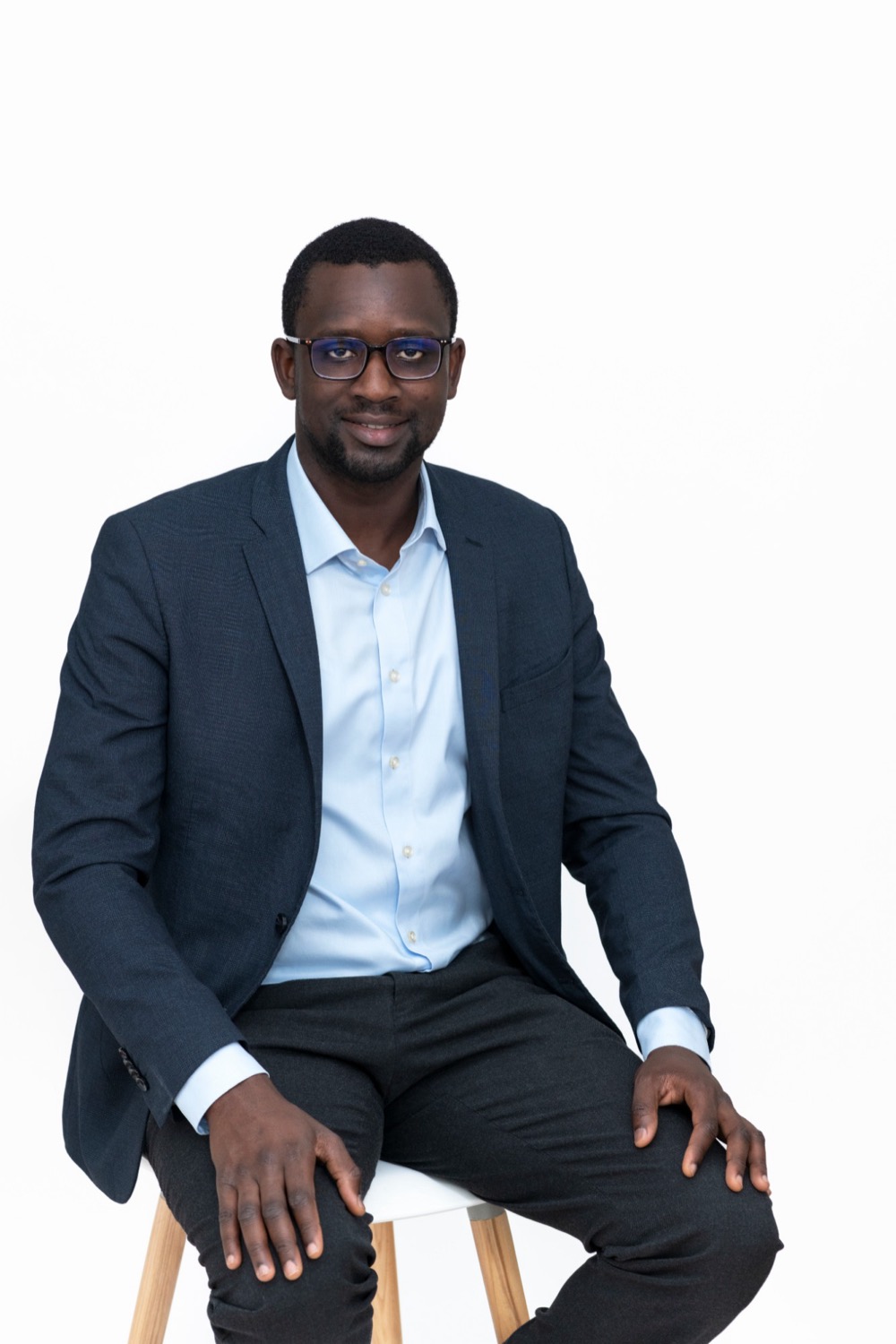
Abdoulaye Touré, Qair
Neither directly. It is requested by the Chadian state on behalf of the national utility Tchadelec, and it guarantees us its payments. If an invoice goes unpaid, the guarantee mechanism steps in. It is necessary because the utility is not bankable as it stands, given its financial performance. The AfDB structured it with the African Development Fund, which carries half, 4 million euros, the other half being carried by the Green Climate Fund. It was provided for in the framework agreement signed with the state, in which the government undertook to request it.
With great difficulty: no lender would finance without it. We began looking for it in 2018 and obtained it in 2023, after knocking on other doors - MIGA, ATIDI, the World Bank - with no opening at the time. The lenders we consulted answered either that they were not comfortable with the risk on the Chadian national utility, or that a guarantee was needed; the AfDB and Proparco asked for one as well.
I will not give a figure on the rate. The effect is on the bank margin, which could be reduced by something like 20 to 30%. Without a guarantee, each bank prices country risk; with it, the risk is assessed as far lower. A known alternative is a letter of credit from a commercial bank without a counter-guarantee from multilateral institutions; here, the bank issuing the letter of credit is itself guaranteed by the African Development Fund and the Green Climate Fund, a three-tier structure whose ultimate guarantor is very solid.
The exact impact on the tariff cannot be quantified without the financial model, since it also depends on CAPEX and OPEX. We signed the power purchase agreement well before the rate rise we are seeing today, and we carried the extra cost: the tariff charged to the national utility has not moved since 2019, and we have committed to keeping it there.
It was indispensable to reaching financial close, even if it will not necessarily be so for every project: by putting its finances in order and proving its ability to pay, the counterparty will be able to do without it. We bring the equity, the banks bring the debt, everything is spent up front and you rely solely on the offtaker's ability to pay for 20 years: securing the payments is the central issue of a self-supporting infrastructure project.
Next steps, scaling up and advice
Each party has to understand and take its risks. Hence my advice, in three letters, P-I-B, for programme, inclusion, bankability.
Abdoulaye Touré, Qair
The first drawdown took place very recently. Construction has started, for 12 months of works and commissioning scheduled for September 2027. We had even started on our own equity before the first drawdown, to lock in the cost of critical equipment that is highly volatile.
I believe in it, as I do for other countries on the continent: the resources and the financing exist, lenders and investors are ready, provided there are good projects with identified and well-allocated risks. This project is only a first step. The limiting factor is the grid: the project is connected to the capital's network, which is not interconnected at national scale. Transmission and distribution are not our business but that of public operators, with support from lenders such as the AfDB and the World Bank.
Looking ahead, we are shortlisted in Côte d'Ivoire for two 100 MW projects with storage, with bids due in mid-January. Our sub-Saharan Africa team, which also handles Chad and Burkina Faso, is hard at work on that process, where we will draw on our experience and our delivery capacity in the region.
In project finance, the debt is repaid out of future cash flows: each party has to understand and take its risks. Hence my advice, which fits into three letters, P-I-B, for programme, inclusion, bankability.
One, a programme approach rather than project by project, with a readable regulatory framework and a long-term vision, to mobilise lenders around suitable instruments and attract investors such as Qair.
Two, inclusion: delivering a project does not concern the energy ministry alone. In Chad, it was the finance ministry that requested the guarantee, and you also have to involve environment, infrastructure, municipalities and central banks, since you invest and repay in foreign currency, in order to secure every permit.
Three, bankability: a balanced contract, with risks well allocated, that investors and financiers alike can accept.
Sources: Entretien avec Abdoulaye Touré, Qair Africa, 12 novembre 2026