 Niger
Niger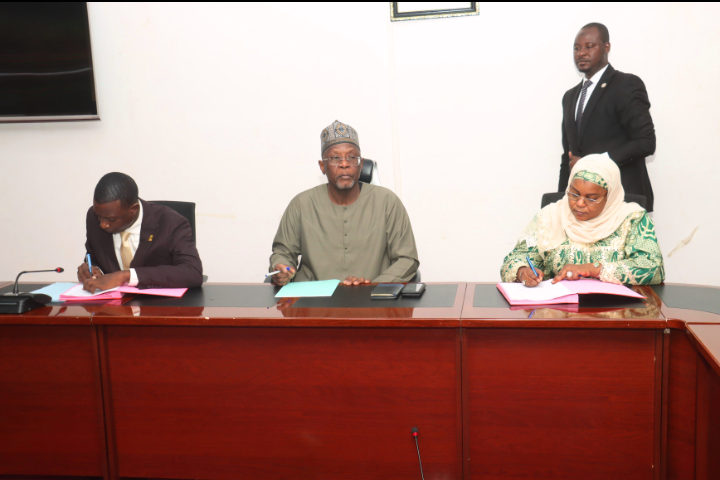
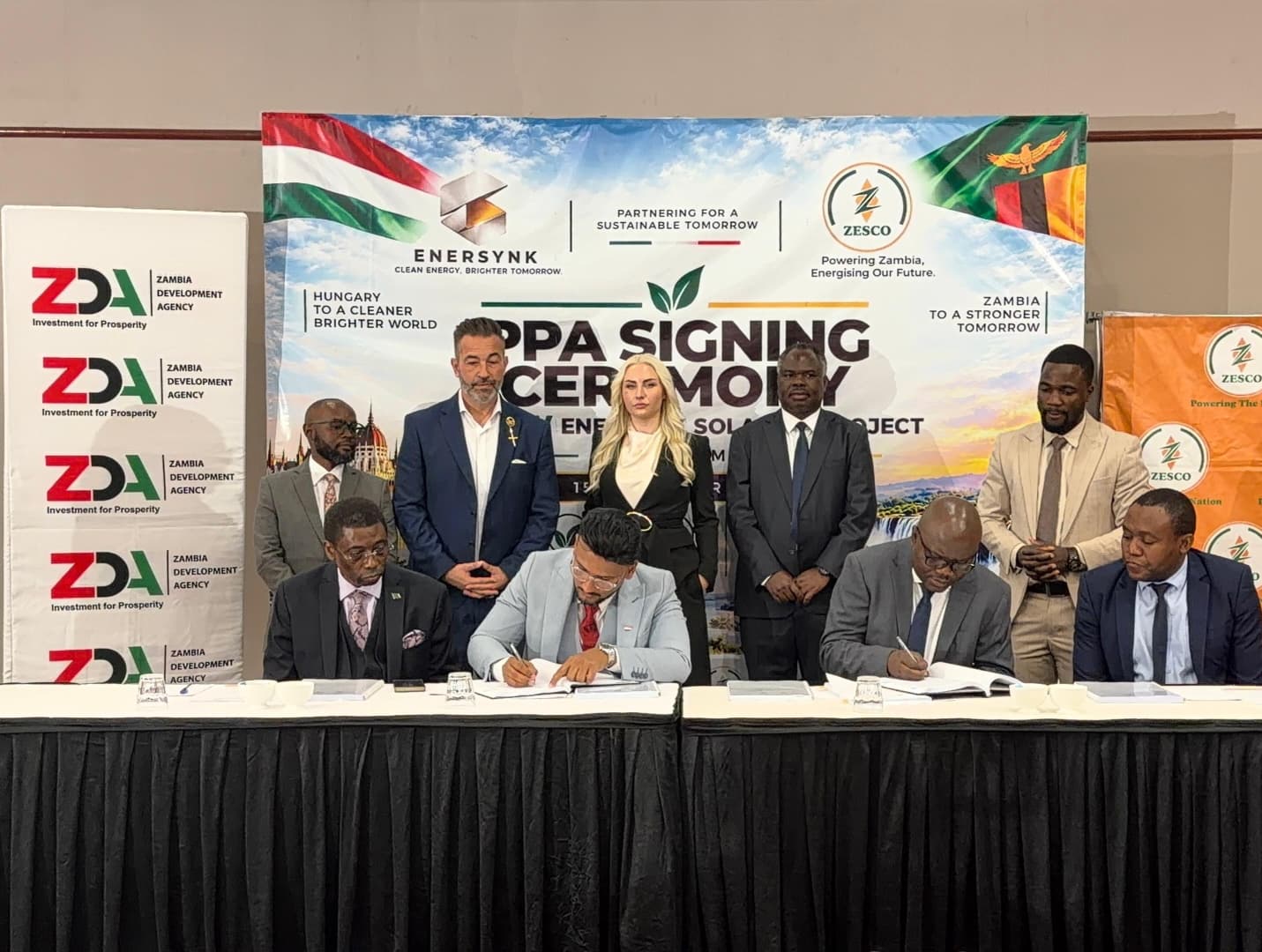
Niger signed a public-private partnership on 20 August in Niamey with Niger Electricity Power Production (NEPP) for a 200 MWc solar plant with battery storage, worth FCFA 126 billion, around €192m. Foreign Minister Bakary Yaou Sangaré, who chairs the state's energy negotiation committee, presided over the signing alongside Energy Minister Amadou Haoua. NEPP is headed by Adamou Amadou Daouda.
The contract
The convention runs for 20 years on a Build, Operate and Transfer (BOT) model, with the plant reverting to the state at the end. Output will be sold to NIGELEC at 35 FCFA per kWh (~€0.053kwh). NEPP puts construction at 24 months, following six months of complementary studies and resource mobilisation. The government expects around 1,300 direct and indirect jobs, permanent and temporary. Sangaré said negotiations also covered performance requirements, skills transfer, local job creation and the durability of the infrastructure. At the stated figures, capital cost works out at roughly 630m FCFA per MWc (~€960), and the release names no lender or financing structure.
What Niger has now
On 22 July, the energy minister told the Conseil consultatif de la Refondation that installed capacity stands at 420 MW, of which only 294 MW is available. The fleet is 377 MW thermal and 43 MWc solar. The 126 MW shortfall is the load shedding. Solar is 43 MWc of that fleet, so this single project is more than four times everything Niger has built so far. Niger has historically drawn more than 80% of consumption through a single high-voltage line from Nigeria, and ECOWAS sanctions after 2023 exposed what that dependence costs.
Where it sits in the plan
Electricity access was 21.9% in mid-2026. The government targets 60% by 2030 and 80% by 2035 under the national access strategy, weighted 85% grid extension, 10% individual solar solutions and 5% mini-grids. A separate AfDB-backed programme sets 240 MW of renewables by 2030. Niger adopted a new electricity code in April 2026 to widen private participation, following the 2016 code that ended NIGELEC's monopoly.
What it means
For developers and EPCs, the significant number is 35 FCFA/kWh, roughly €0.053, for solar with storage in a landlocked Sahel market. Whoever bids the EPC package has to hit that tariff on a 20-year (BOT) with no disclosed lender and no named sponsor equity, in a country where the utility's payment record sits behind a grid that was 80% imported. The six-month study and mobilisation phase is where that gets tested, and it is the window in which subcontract scopes are set.
Sources: ANP, Nigerdiaspora, Nigerinfos