 Bénin
 Guinée
 Zambie
Axian Energy closed financing on four Benin solar plants on 30 October, backed by €30m from the IFC and Proparco, and a day earlier joined a 50 MW project in Guinea. Both sell to state utilities, which is not how its Zambian deal works.
Benin: €30m for 62 MWp across four sites
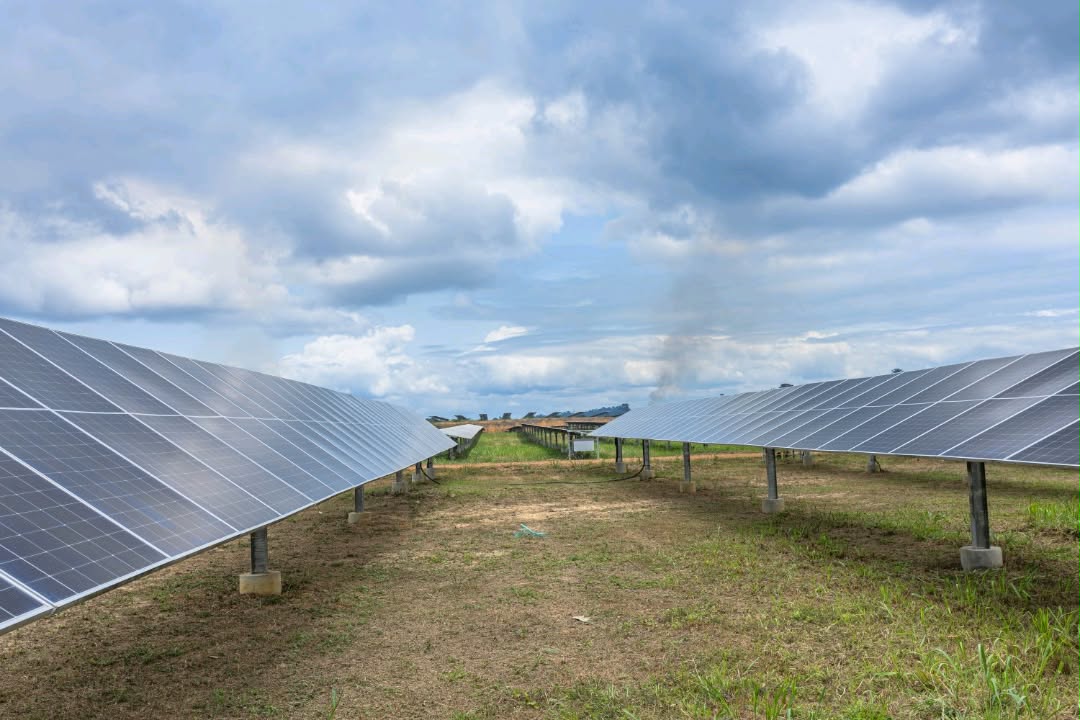
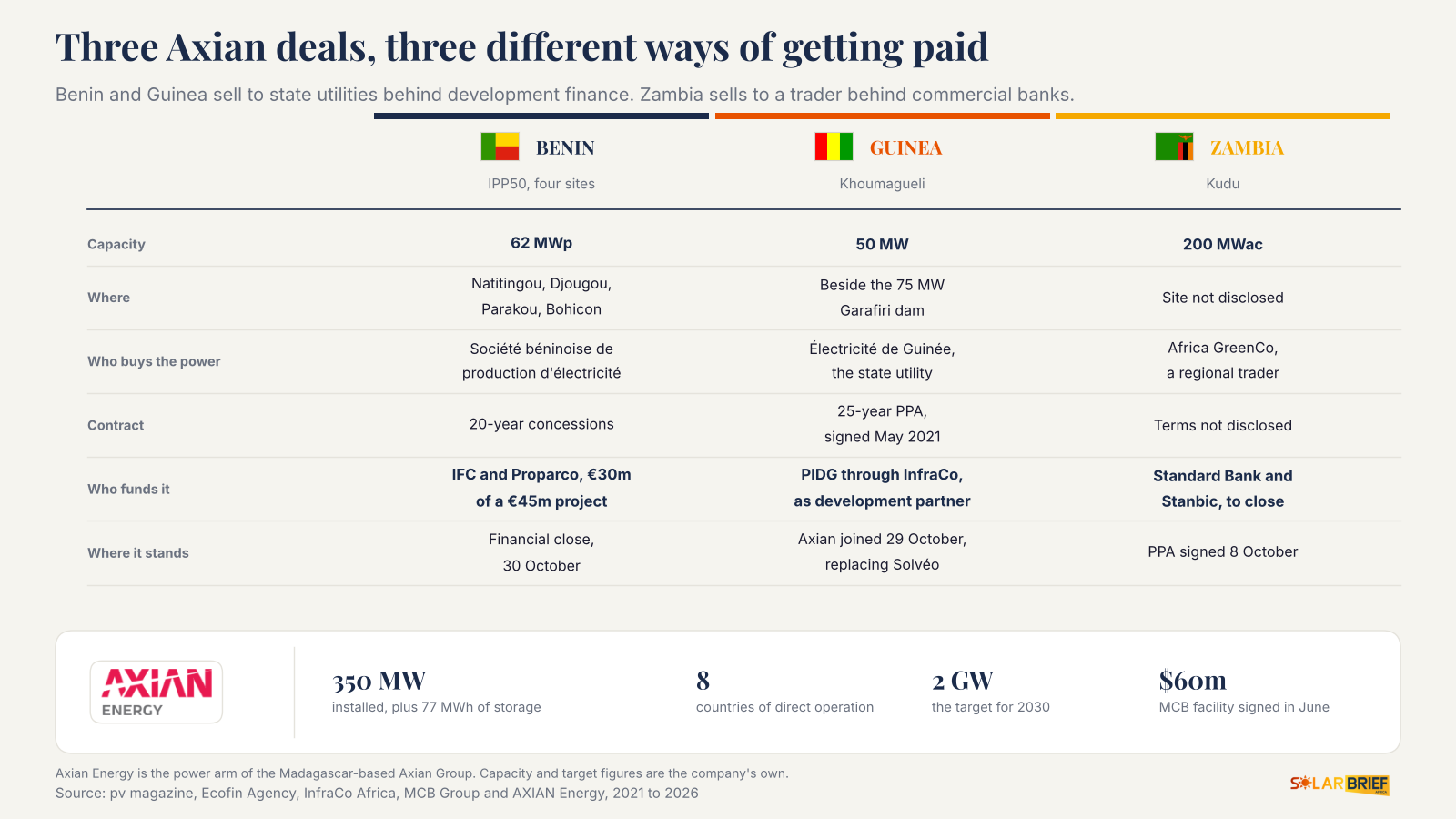
The IPP50 programme covers 62 MWp at Natitingou, Djougou, Parakou and Bohicon, against a project cost of about €45m. The IFC and Proparco provide €30m between them, with further money being mobilised from the Clean Technology Fund, and CDC Bénin taking part through Sika Capital. The plants run on 20-year concessions selling to the Société béninoise de production d’électricité, with commercial operation due in the first quarter of 2028.
Guinea: Axian replaces Solvéo on Khoumagueli
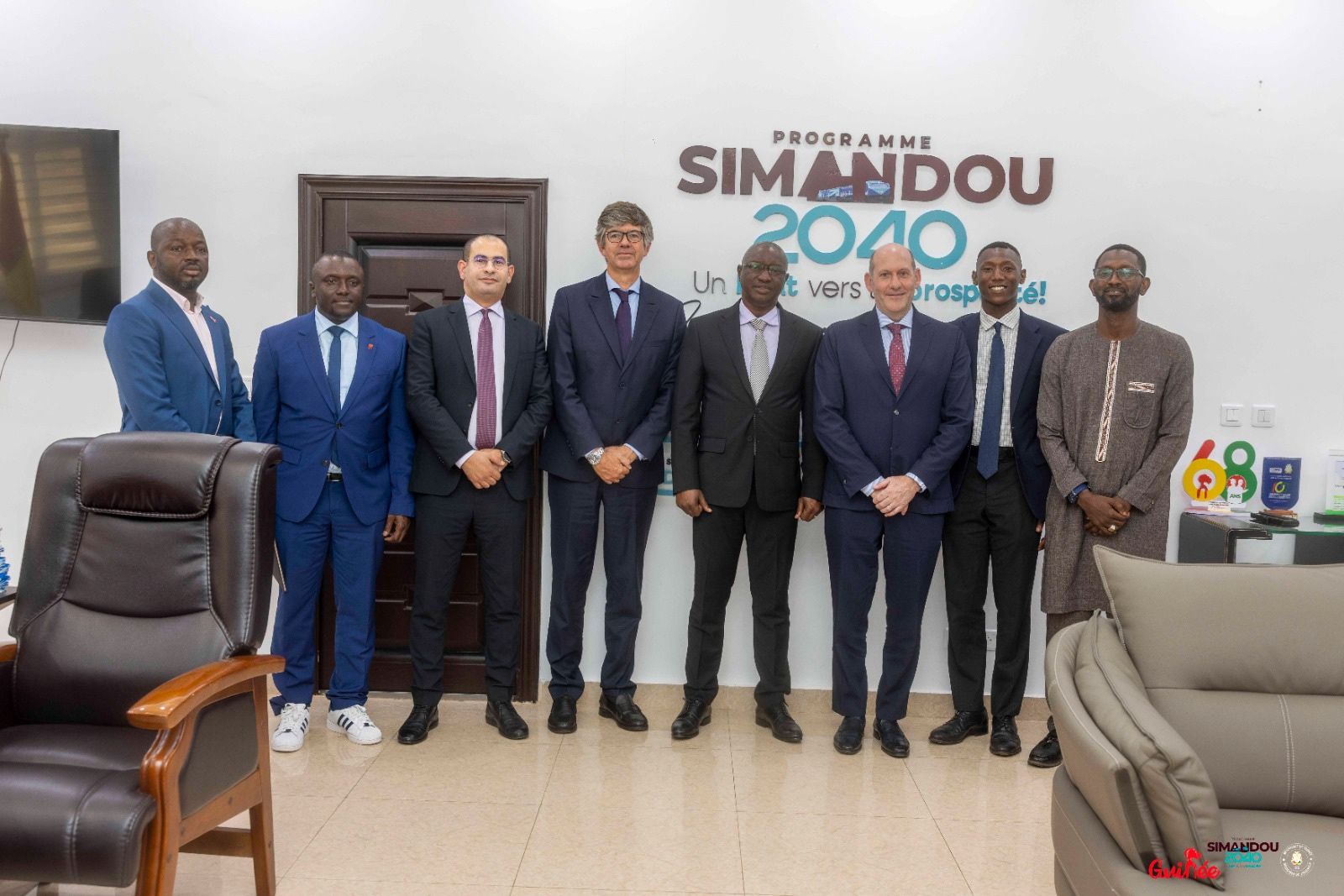
Axian joined the 50 MW Khoumagueli project on 29 October as development partner to InfraCo, the project arm of the Private Infrastructure Development Group, replacing Solvéo Énergies. The plant already holds a 25-year power purchase agreement with Électricité de Guinée signed in May 2021, and sits beside the 75 MW Garafiri dam so the reservoir can hold water for night-time generation. Construction is targeted for 2027.
Who Axian is
Axian Energy is the power arm of the Madagascar-based Axian Group, an independent power producer rather than a contractor: it develops, funds, builds and operates its own plants. It reports 350 MW of installed renewable capacity and 77 MWh of storage across eight African countries, and is targeting 2 GW by 2030.
Why West Africa
West Africa is where the pipeline sits. Axian has solar under development in Senegal, Benin, Côte d’Ivoire and Burkina Faso, closed West Africa’s largest solar and storage project in Casamance in April, is building the 60 MW NEA Kolda plant, and raised $62m for an Ivorian plant in October.
Where the financing comes from
Development finance carries the project debt, the IFC and Proparco in Benin and PIDG through InfraCo in Guinea. Commercial banks carry Zambia, where Standard Bank and Stanbic are taking Kudu to close. A $60m facility from Mauritius Commercial Bank signed in June, $40m of it a three-year revolving line, pays for development before close. NEA Kolda, the company says, closed on its own funds.
What it means
For a financier, Benin and Guinea show what Axian’s growth actually rests on, and it is not merchant risk. Benin sells to a state producer on 20-year concessions with IFC and Proparco debt behind it. Guinea sells to EDG on a contract signed in 2021 that has been waiting five years for a partner able to build it. In both cases Axian is buying into positions someone else already de-risked, which is a faster way to add megawatts than originating them. Kudu in Zambia is the exception, and the test. There the buyer is a trader rather than a utility and the lenders are commercial banks. Running both models at once is what makes 2 GW by 2030 a funding plan rather than an ambition, and the piece that holds it together is the revolving facility from MCB, because it pays for development work in the window before any of these deals reach close.
Sources: pv magazine, 30 October 2026, Ecofin Agency, 29 October 2026, MCB Group press release, 16 June 2026, SolarQuarter, 30 October 2026, SolarBrief.Africa, Kudu PPA