 Niger
Niger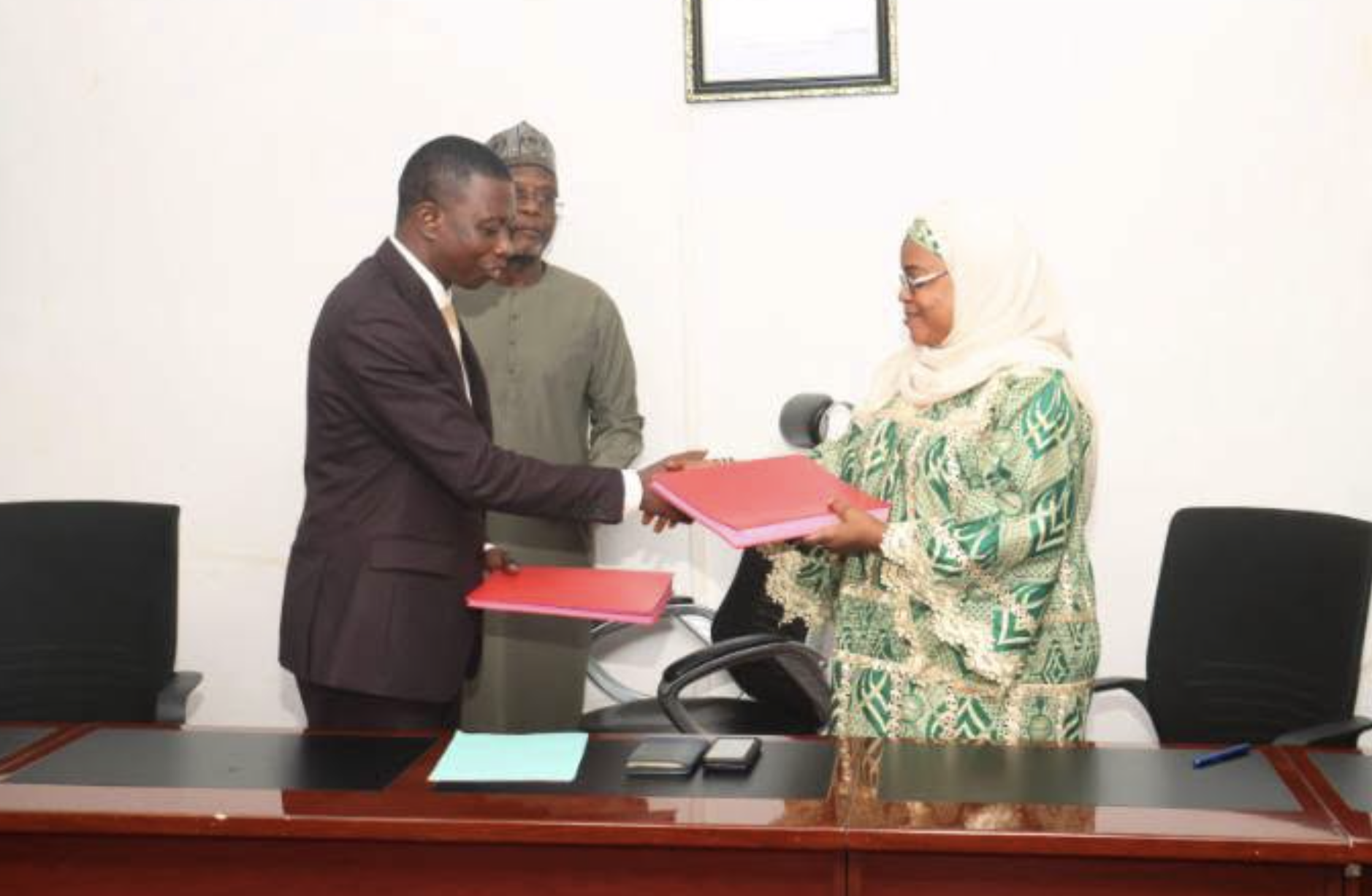
Niger has entered into a public-private partnership contract valued at XOF 126.1 billion ($222.7 million) with energy company Niger Electricity Power Production (NEPP). The terms of the agreement cover the development of a 200 MW solar project to be tied to a battery storage system. It will be built in Niamey, Niger’s capital and largest city.
According to Nigerien news portal ActuNiger, the project should be completed within two years, with the electricity produced to be sold to Niger’s state-owned electricity company Société Nigérienne d’Electricité (NIGELEC) at a rate of XOF 35/kWh for a 20-year period. It will be developed on a build, own, transfer basis, meaning complete ownership of the project will be transferred to the state after the 20-year power purchase tariff ends.
Flagship project
Once completed, the project is set to be Niger’s largest PV facility. Its largest operational solar project is currently the 30 MW Gorou Banda solar plant located on the outskirts of Niamey, commissioned in 2023. Owned and operated by NIGELEC, the project was supported by financing from the French Development Agency, European Union and Nigerien government.
A government press release published in July put Niger’s installed electricity generation capacity at 420 MW, comprising 377 MW of thermal generation and 43 MW of solar PV. However, only 294 MW was available at the time of reporting, highlighting the limitations of the country’s existing domestic generation fleet. A report published by local news site Nigerinfo adds that the 126 MW shortfall translates into regular power cuts in Niamey and leads to expensive diesel bills for traders who run generators.
Analysis from Enerdata adds that Niger is aiming to boost its energy capacity to 850 MW by 2030 as it works to achieve an 80% electrification rate by 2035, with a focus on renewables and private sector involvement. Turning this new 200 MW solar-storage project into a reality will likely be key to achieve these targets.
Energy sovereignty
Speaking during a signing ceremony between the state and NEPP, Niger’s Minister of Foreign Affairs, Yaou Sangaré Bakary, said access to clean, sovereign, stable and affordable energy is the foundation upon which sustainable economic and social development rests.
The minister added the new solar-plus-storage project should help reduce Niger’s dependence on electricity imports and improve availability for households, public services and industries. According to Worlddata, Niger imported approximately 51% of its electricity in 2024. The primary source of Niger’s imports is Nigeria, which is roughly 60 kilometers away from Niger’s capital.
Niger relies heavily on imported diesel and other refined petroleum products to meet its domestic energy and transport needs. The country imported petroleum oils and related preparations worth approximately $106.7 million in 2023, according to the World Bank, while Worldometer figures add Niger consumed 20,173 barrels per day of oil and petroleum products in 2024, an increase of 2.9% from 2023.
This heavy reliance on both diesel imports and imported Nigerian electricity makes renewable energy expansion critical for both sustainability and energy independence in Niger. The country’s River Basin region, where the new solar-project plant will be built, accounts for 70% of Niger’s energy demand. Peak demand is estimated at 260 MW, according to Nigerinfo, with the region currently able to cover over 86% of its demand without Nigerian imports. These figures indicate the Niamey region will be able to lessen its dependence on imports once the new solar plant is operational.
Public-private partnerships
Minister Bakary also said the project is a reflection of the will of Nigerien authorities to mobilize the technical expertise and financial capacities of the private sector.
Public-private partnerships are essential for advancing solar projects across Africa as they allow governments to leverage private sector expertise, capital and risk-sharing to overcome logistical and infrastructural challenges. In Niger specifically, such PPPs are a key tool to address energy constraints and import dependence via a model that addresses a lack of domestic capital and technical capacity.
With NEPP responsible for fully mobilising the infrastructure funding, the viability of the project will depend on the developer raising the XOF 126 billion required to complete the project in the coming months. NEPP President, Adamou Amadou Daouda, reaffirmed the group’s commitment to respecting its contractual obligations during the signing ceremony and confirmed a six-month window will be committed to additional project studies and resource mobilization.
What it means
This solar-plus-storage project has the potential to address one of sub-Saharan Africa's most pressing energy challenges, namely the cycle of import dependence. Once it materialises, this project could act as proof that large-scale solar-plus-storage can be financed and built through PPPs, creating an example for other African nations facing similar constraints to Niger. Governments and other private developers may look to this project to understand how transparent power purchase agreements, build-own-transfer models and international development support can unlock renewable energy investment in countries with limited domestic capital.
Sources: ActuNiger, NigerInfos, L'Agence Nigérienne de Presse