 Burkina Faso
Burkina Faso's Council of Ministers approved CFA104.175bn (about €158.8m) on 10 September in Bobo-Dioulasso to strengthen the national utility SONABEL and the new Faso Vêenem agency, which handles off-grid access. The money covers transmission renewal, distribution extension and sustainable energy solutions for schools, households and health centres, reaching more than 250,000 households.
What SONABEL has to build
The Pacte national de l'énergie 2026-2030, adopted in June, sets the harder number. Installed renewable capacity must rise from 228 MWc in 2024 to 887 MWc in 2030, an additional 659 MWc in six years. Over the same period import dependence is meant to fall from 55% to zero. Imports supplied 48.89% of all energy available in 2024, mostly from Ghana, Côte d'Ivoire and Togo, while national production rose from 932.2 GWh in 2019 to 1,419.1 GWh in 2024.
What is already on the ground
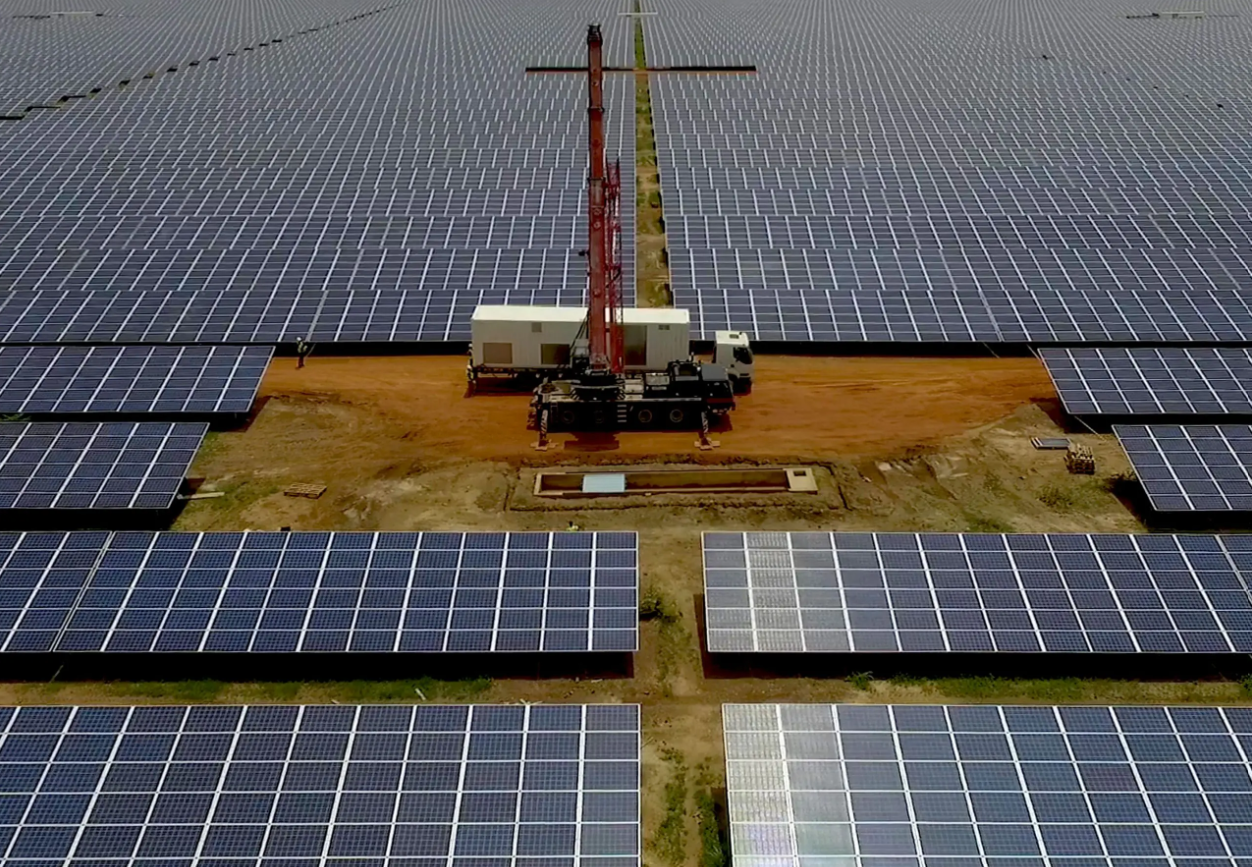
SONABEL's utility-scale solar fleet is modest against that target. Zagtouli near Ouagadougou runs at 33 MW, Kodéni in the Hauts-Bassins at 38 MWc across 70 hectares, and Pâ at 30 MWc. The BOAD approved CFA16.468bn in March to extend the Koudougou plant, and a 75 MWc regional solar park is planned at Kaya. The energy ministry counted 126.4 MW added across four plants in the first half of 2026, a mix of thermal and solar.
Two targets for the same year
Energy minister Yacouba Zabré Gouba cited 70% electrification by 2030 after the Council of Ministers. The Pacte national de l'énergie sets 90%, with 100% urban and 70.73% rural. Access stood at 34.2% in 2024, split between 87.83% in towns and 10.21% in rural areas. The Pacte budgets CFA6,235bn, roughly $10.3bn, to connect 17.9 million more people, over 11 million of them rural.
What it means
Two published targets for the same year make the plan hard to hold anyone to, and a regulator elsewhere reading this should note which number gets quoted after a financing decision. The CFA104bn approved in September buys wires, not megawatts, so the 659 MWc of new renewable capacity has to come from somewhere else. With a state utility carrying a grid that was half imported in 2024, that somewhere is private capital.
Sources: Council of Ministers communiqué, Présidence du Faso, Ecofin Agency, omexom